App Store Preview Screenshot Templates: Fast-Track Your iOS Launch
Designing for the Smallest Details
When you are deep in the final stages of iOS development, the last thing you need is a bottleneck in your marketing assets. You have spent months refining the code, squashing bugs, and perfecting the user interface, but if your App Store listing looks amateurish, download rates will plummet. This is where the workflow bottlenecks often happen for small business owners and indie developers. You know the screenshots need to look professional, but you may not have the budget for a specialized design agency. This is the exact problem that App Store Preview Screenshot Templates solves. It acts as a bridge between your raw application and a polished market presence, allowing you to create professional marketing assets in minutes rather than days.
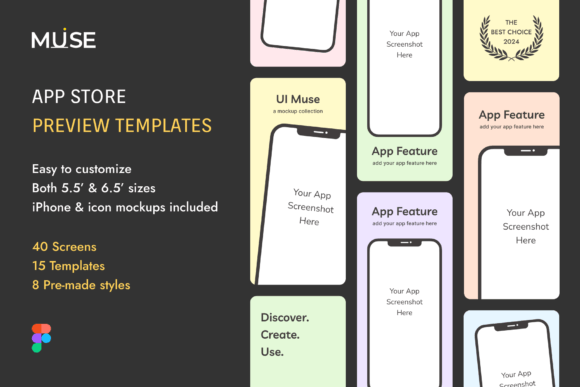
The core appeal of this resource lies in its adherence to strict industry standards. We are talking about actual sizes required by Apple, specifically optimized for the 5.5-inch and 6.5-inch displays. This is not a generic mockup generator; it is a precision tool. By using these templates, you ensure that your visual hierarchy is correct the moment you upload it. There is no cropping, no awkward resizing, and no pixelation. It is a clean, structured starting point that respects the guidelines set by the ecosystem.
The Anatomy of a High-Converting Screenshot
Visual consistency is the silent ambassador of your brand. When a potential user scrolls through the App Store, they are making split-second decisions based on visual cues. If your screenshots look disjointed or cluttered, it signals a lack of professionalism. The App Store Preview Screenshot Templates provide a foundation for modern typography and layout. The inclusion of the iPhone 12 Max mockup ensures that your device frames look current and familiar to the user, creating an immediate connection.
Let’s talk about the "personality" of these templates. They are designed to be a canvas, not a loud distraction. The pre-made color styles offer a distinct aesthetic range, allowing you to match the mood of your application. Whether you are launching a sleek finance tracker, a vibrant lifestyle app, or a minimalist productivity tool, the visual style adapts. The 100% customizable nature of the files means you can adjust the kerning of your headlines, swap out background textures, and manipulate the layers to fit your specific brand identity. It treats the screenshot not just as a static image, but as a piece of editorial design.
Practical Application and Customization
For the creative professional or entrepreneur, time is a currency. The value proposition here is the elimination of "blank canvas syndrome." You are provided with 15 distinct layouts and 8 styles. This variety is crucial for testing. In marketing, you rarely know which message will resonate until you test it. Perhaps a bold, text-heavy approach works better for a utility app, while a minimalist, image-focused layout works better for a photo editor. Having these assets ready to go allows you to A/B test your store presence effectively.
Furthermore, the inclusion of an iOS icon template is a detail that cannot be overlooked. The icon is the most persistent visual element of your brand identity on a user's device. It needs to be legible at 30 pixels and impactful at 60 pixels. By integrating the icon design process into the same workflow as your screenshots, you ensure color consistency and visual harmony. This is a holistic approach to packaging design for digital products. It moves beyond simple web design and enters the realm of strategic product presentation.
Strategic Value for Brand Perception
From a brand strategist's perspective, the tools you use reflect the quality of your output. Using premium design assets signals that you value quality. When a user sees a screenshot with a clean layout, readable typography, and a device mockup that looks like the phone in their pocket, it builds trust. It suggests that the software inside is equally well-crafted. This is the psychology of visual hierarchy.
Consider the versatility of these files. While they are built for the App Store, the underlying assets—the device frames, the text overlays, and the background textures—are excellent for social media graphics. You can repurpose these screenshots for your Instagram stories, Twitter announcements, or LinkedIn launch posts. This ensures that your brand identity remains consistent across all digital touchpoints. It is an efficient way to maintain a cohesive look without hiring a separate designer for every channel.
Optimizing Your Workflow
To get the most out of these templates, approach them with a clear message. A common mistake is trying to put too much text on a small screen. The templates provide the space, but you must provide the clarity. Focus on one feature per screenshot. Use strong, active verbs. Let the design breathe. The goal is to guide the eye from the device frame to the headline and finally to the supporting text.
Remember that these are design assets, not finished products. They require your input to become unique. Take the time to explore the different styles included. If your app has a dark mode, test the dark style variations. If your brand colors are specific, input the hex codes to customize the templates fully. By investing a small amount of time in this customization process, you transform a generic template into a bespoke marketing suite. This is the difference between looking "templated" and looking "professional." It is about leveraging the structure to elevate your own creative vision.