Book Cover Page Mockup 8x10 Templates a+ for Instant Marketing
Creating a professional-looking book cover presentation used to require expensive software and hours of design work. That barrier is now gone. The Book Cover Page Mockup 8x10 Templates a+ is a specific, ready-to-use JPEG file designed for one primary purpose: to give your book project a polished, market-ready appearance in minutes. This is not a complex layered file for Photoshop experts; it is a straightforward, high-resolution image template that you can use with basic editors or even some mobile apps.
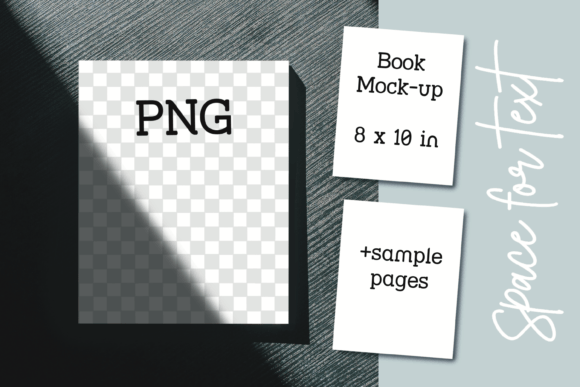
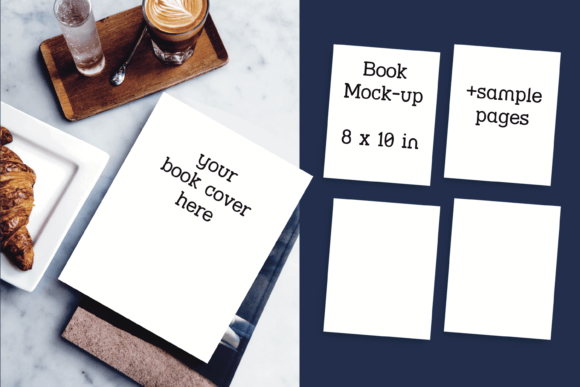
Let’s break down what this actually means for you as a creator. The mockup provides a clean, realistic 8x10 inch book cover frame. Its visual style is intentionally neutral and modern, acting as a professional stage for your own artwork. Think of it as a well-lit, minimalist gallery wall for your book. The appeal lies in its simplicity and versatility. It doesn't impose a strong artistic personality of its own, which is a significant strength. This allows your book cover design—whether it's for a journal, a novel, a planner, or a coloring book—to remain the undisputed hero. The overall effect is one of credibility and preparedness, signaling to your audience that you take your project seriously.
Where This Mockup Template Truly Shines
The real-world applications for a tool like this are extensive, touching nearly every point where you need to visually communicate your book's existence and quality. Its utility goes far beyond a simple placeholder image.
For publishers and authors using Kindle Direct Publishing (KDP), the mockup is invaluable for creating A+ Content. This is the rich media section on an Amazon product page that can significantly increase conversion rates. Using the Book Cover Page Mockup 8x10 Templates a+ here allows you to show your cover in a realistic context, perhaps alongside sample interior pages, making the listing more engaging and trustworthy.
Online shop owners, whether on Etsy, Shopify, or your own website, can use it to create consistent product imagery. Imagine displaying your entire line of planners or notebooks, each with its own cover mockup, on a cohesive sales page. It creates a unified brand identity and helps customers visualize the physical product.
For designers and creatives, this template is a fast-track asset for your portfolio. Instead of just showing a flat cover design, you can present it in a mockup to give it context and depth. It shows potential clients that you understand presentation, a key part of professional editorial design and packaging design.
Bloggers and content creators can use it in articles about their writing process, to announce a new book launch, or to create promotional graphics for social media. The high-resolution (3000x2000 pixels) ensures the image remains sharp across platforms, from a Pinterest pin to a Facebook banner.
Practical Guidance for Using Your Mockup
Getting the most out of this design asset is straightforward, but a few practical tips will ensure a professional result. The process is simple: open the JPEG in an editor, then place your cover image on top, adjusting it to fit the frame. However, the devil is in the details.
First, choose the right tool. While it’s designed for those without fancy programs, you still need an editor that supports layers. Canva, PicMonkey, or even PowerPoint can work. For more control, a program like GIMP (free) or Adobe Photoshop is ideal. The key is that you must be able to place your cover art on a layer above the mockup and adjust its perspective and size.
Second, pay attention to scale and alignment. Your cover art must be scaled to fit the 8x10 area of the mockup perfectly. Use alignment tools in your editor to center it. A poorly aligned cover instantly breaks the illusion of realism.
Third, consider your final output. If this is for a high-quality print ad or a large website header, the 3000x2000 pixel resolution is perfect. For social media, you may need to crop it, so plan your cover design composition accordingly, ensuring the most important elements are centered.
Finally, remember the licensing note: this is for digital presentation. You cannot take the mockup file itself and sell it as a physical product. It is a tool for marketing and showcasing your own work. The colors you see on your screen might differ slightly on another, a universal truth of digital design, but the mockup itself provides a consistent baseline.
Integrating Mockups into Your Brand Strategy
Think of this mockup not as a one-off trick, but as part of your broader brand identity toolkit. Consistent use of a clean, professional presentation style across all your marketing materials builds recognition. When a follower sees your book cover in this mockup style on Instagram, and then encounters the same presentation on your website, it reinforces your brand’s professionalism.
This is where the mockup influences perception. It adds a layer of polish that can elevate a simple project. A well-designed coloring book cover presented in this mockup looks more like a commercial product and less like a hobbyist’s PDF. For small business owners, this perception shift is crucial. It bridges the gap between a personal project and a marketable commodity.
When evaluating if this specific mockup fits your project, consider its neutrality. If your book has a very rustic, handmade, or intensely thematic style, you might eventually seek a mockup with more environmental context (like a book on a wooden table). But for the vast majority of applications—especially for journals, planners, modern novels, and business-related books—the clean, studio-like presentation of the Book Cover Page Mockup 8x10 Templates a+ is exactly what you need. It provides the credibility without the distraction, letting your hard work on the cover design itself take the spotlight. It’s a practical, accessible tool that solves a very common problem for modern creators. Happy crafting.