Mastering Book Formatting Templates Amazon KDP
For many writers and creators, the leap from manuscript to a polished, printable book feels like a chasm. The technical demands of Amazon KDP—precise margins, bleed areas, and specific file formats—can stall a project for weeks. This is where a solid set of Book Formatting Templates Amazon KDP acts not as a shortcut, but as a professional foundation. Think of these templates as the architectural blueprints for your book's physical and digital presence. They provide the structure so you can focus entirely on the content and the reader's experience.
The Practical Anatomy of a Professional Template
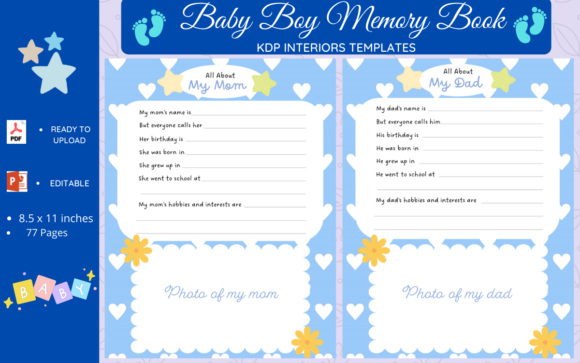
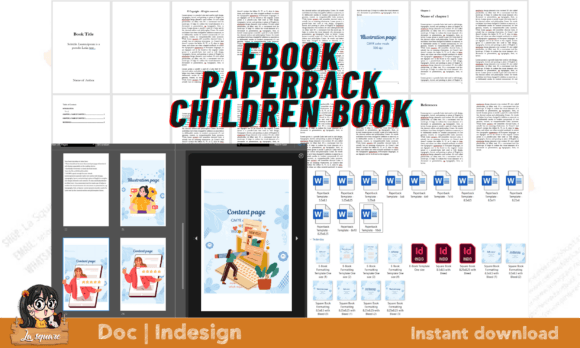
A high-quality template is more than a blank page with margins. It’s a system designed for modern typography and production efficiency. The core offering, like the one described with 12 Word templates and 3 InDesign files, addresses the most common pain points directly. The variety of sizes—from the standard 6x9 for novels to the square 8.5x8.5 for cookbooks—means you’re not forcing your content into an ill-fitting container. This is critical for brand identity and reader expectations. A children’s book demands a different visual rhythm than a business guide.
The real value lies in the guidance built into these files. For a first-time self-publisher or an indie author on a budget, this is the difference between guesswork and a guided process. You’re not just getting a file; you’re getting a set of instructions embedded in the document structure. This includes proper paragraph styles for consistent visual hierarchy, pre-set margins for KDP compliance, and clear placeholders for your front and back matter. It’s a practical solution to a specific problem: getting a book published without formatting errors that delay launch or frustrate readers.
From Manuscript to Market-Ready: A Strategic Workflow
Let’s walk through how these templates integrate into a real-world publishing workflow. Imagine you’ve written a cookbook. The square book templates with bleed are your starting point. You open the 8.5x8.5 Word file. The margins are already set for print safety. The chapter headings are styled with a serif font for elegance, and the body text uses a clean sans serif font for readability. You simply paste your text, import your photos, and the structure holds everything in place. This consistency is what transforms a collection of recipes into a cohesive, professional volume.
For an ebook, the workflow shifts. The InDesign file for the flowable EPUB is a different beast. Here, the focus is on semantic structure—using paragraph styles to define headings, body text, and lists. This ensures your book reflows correctly on any Kindle device, from a basic e-reader to a Fire tablet. If you’ve created a visually rich book in Canva and faced rejection for submitting an image-only PDF, these templates are the bridge. They allow you to rebuild the content in a format that meets Amazon’s technical guidelines, preserving your design assets while making them functional for digital distribution.
Choosing and Customizing for Your Project
Selecting the right template is a matter of matching format to function. Ask yourself: What is the primary reading experience I’m creating?
- For novels and memoirs: The 5.5x8.5 or 6x9 paperback templates are your workhorses. They offer a familiar, comfortable reading area. Focus on choosing a clean, readable typeface for the body text—something that won’t tire the eyes over 300 pages.
- For children’s books and cookbooks: The square formats (8.5x8.5, 8.25x8.25) are essential. They provide the canvas needed for large images and interactive layouts. Use the bleed setting to ensure colors and images extend perfectly to the page edge.
- For digital-first or mixed media: Start with the InDesign ebook template. Even if you plan a paperback later, building your master file in InDesign gives you unparalleled control over font pairing and layout for both print and digital exports.
Customization is key. These templates are fully editable. You can change the fonts, adjust the leading (line spacing), modify chapter openers, and add your own logo design or brand elements to the title page. The goal isn’t to use the template as-is, but to use its compliant structure as a launchpad for your unique vision. This is how you maintain professionalism and consistency across your entire catalog, building a recognizable author brand with each release.
Beyond the Book: The Ripple Effect of Good Formatting
The discipline learned from using professional templates extends far beyond a single book. Understanding the principles of visual hierarchy—how a reader’s eye moves from title to chapter heading to body text—is fundamental to all editorial design and web design. The same thinking that makes a book chapter clear and navigable applies to designing a blog post layout, a social media graphics series, or a packaging design for a product.
When you invest in a system like these Book Formatting Templates Amazon KDP, you’re investing in a skill set. You learn to think in terms of grids, styles, and export specifications. You begin to evaluate all your creative font and design choices through the lens of function and audience. This strategic approach is what separates a hobbyist from a professional creator. It ensures your work is not only beautiful but also effective, accessible, and ready for the market. Ultimately, the right tools don’t just format a book; they streamline your entire creative process, giving you the confidence to publish consistently and at a high standard.