Unlock Authenticity with Vintage Junk Journal Folio Templates
There is a distinct tactile pleasure in handling a vintage document—the weight of the paper, the slight imperfections of the ink, and the visual warmth of aged textures. In the digital realm, we often strive to recreate that feeling of authenticity. While typography plays a huge role in setting a mood, the physical vessel of your design matters just as much. This is where Junk Journal Folio Templates, Vintage editions, come into play. They serve as a bridge between the convenience of modern printing and the romanticism of the past, offering a structured yet organic canvas for your creative projects.
The Anatomy of a Vintage Folio
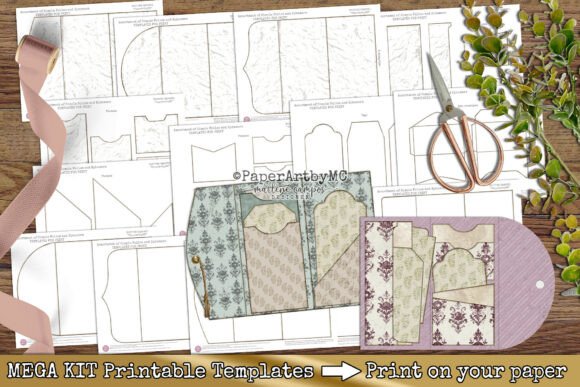
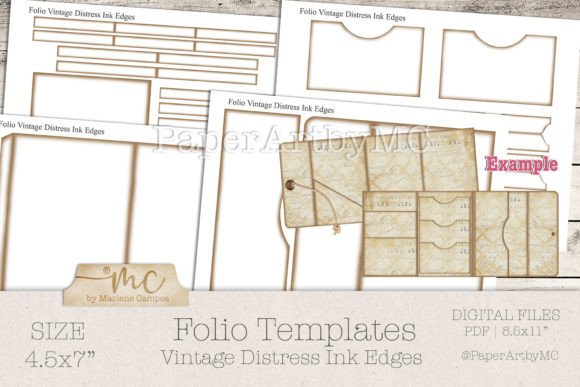
Understanding what you are working with is the first step to effective design. A "folio" in the context of junk journaling is essentially a folded piece of paper that creates a small booklet or a pocket within a larger journal. When we talk about the "Vintage" aspect, we are referring to the aesthetic language these templates speak. They are rarely sterile or geometrically perfect. Instead, they often feature distressed edges, subtle grain textures, and layouts that mimic old ledger books, antique correspondence, or Victorian scrapbooks.
The personality of these templates is inherently nostalgic, tactile, and intimate. They do not scream for attention with neon colors; rather, they whisper stories of the past. This style is characterized by irregularity. Unlike a standard digital grid, a vintage folio template invites you to break the rules of symmetry. It provides a framework that feels handmade, which is a powerful tool in an era of hyper-polished, sterile digital design. The visual appeal lies in its ability to ground a project in reality, making digital creations feel like tangible artifacts.
Strategic Applications for Modern Creators
While these templates are rooted in the past, their application is incredibly relevant to modern design, marketing, and publishing. For graphic designers and brand strategists, Junk Journal Folio Templates offer a way to inject "soul" into a project. In a sea of minimalist sans-serif fonts and flat design, a vintage folio layout can be a disruptive element that catches the eye.
Brand Identity and Packaging
For small business owners, particularly those in artisanal markets, coffee roasting, or boutique fashion, these templates are gold. Using a vintage folio as the basis for packaging inserts, lookbooks, or loyalty cards elevates the perceived value of the product. It suggests a heritage and a story, even if the brand is brand new. It transforms a simple piece of paper into a keepsake.
Editorial and Publishing
Bloggers and content creators can use these templates to create "lead magnets" or downloadable freebies that actually get saved. A generic PDF checklist is easily deleted; a beautifully designed vintage folio page feels like a gift. For authors, these templates can serve as the interior layout for poetry chapbooks, recipe collections, or serialized stories, offering a reading experience that feels personal and curated.
Marketing and Social Media
In social media graphics, texture is king. A vintage folio template serves as a perfect background for text overlays, quotes, or announcements. It adds depth that a solid color background lacks. Because the templates are designed for 8.5x11" paper, they scale well for high-resolution screens, ensuring your visuals remain crisp on retina displays.
Practical Guidance: Printing and Production
Having the template is one thing; executing the physical print is another. The difference between a cheap-looking printout and a high-quality art piece often comes down to material choice and printer settings. This is where the "What You Get" details become your roadmap to success.
Paper Selection is Critical
The templates are designed to be printed on 8.5x11" paper, but standard copy paper won't do the aesthetic justice. For a true vintage feel, paper weight and texture matter. A weight of 160-180gsm (white paper) is recommended for durability. This weight prevents ink from bleeding through and gives the page a substantial feel. However, if you want to push the vintage envelope further, consider using opaline paper (around 120gsm). Opaline has a slight translucency and a textured finish that mimics old onion skin paper, adding an immediate layer of history to your project.
Mastering the Print Settings
You do not need a commercial printing press to get professional results; a reliable color home printer (like an HP) will suffice. However, you cannot simply hit "Print" and hope for the best. You must manually adjust your settings.
- Paper Size & Type: Ensure your printer knows you are using heavy cardstock or specialty paper. Selecting "Cardstock" or "High Quality" changes how the rollers grab the paper and how much ink is deposited.
- Resolution: Always print at the highest DPI (dots per inch) available. Vintage designs rely on subtle gradients and textures that can look pixelated or banded at lower resolutions.
- Double-Sided Printing: This is the trickiest part. Every printer has a different "direction of feed." Some print the second side upside down, others print on the reverse side of the top. Always make proofs. Print a test page on scrap paper, mark the top with an arrow, run it through again, and see where the second side lands.
The Professional Alternative
If you lack a printer or are producing a large batch for a commercial event, utilize a local print shop. They possess professional-grade machines that handle heavy cardstock with ease and offer precise color calibration. This ensures that the sepia tones and distressed textures remain consistent across every single copy.
Integrating Templates into Your Workflow
Think of these Junk Journal Folio Templates not just as paper, but as a modular design system. You can print them to create physical portfolios for client meetings, giving a tactile dimension to your digital design work. You can use them for personal memory keeping, creating a wedding album that feels like a family heirloom rather than a generic photo book.
For the entrepreneur, consider using these folios as part of an "unboxing experience." When a customer receives their order, include a vintage-styled thank you note or a care instruction card. It creates an emotional connection that fosters brand loyalty. It signals that you care about the details, which translates to trust in your product quality.
Ultimately, the value of Junk Journal Folio Templates lies in their versatility. They are a blank slate with a built-in personality. By respecting the medium—choosing the right paper, calibrating your printer, and understanding the vintage aesthetic—you can produce professional, high-impact design assets that resonate with a human touch in an increasingly digital world.